
About the project
App to help the US climate change believers to start taking climate action
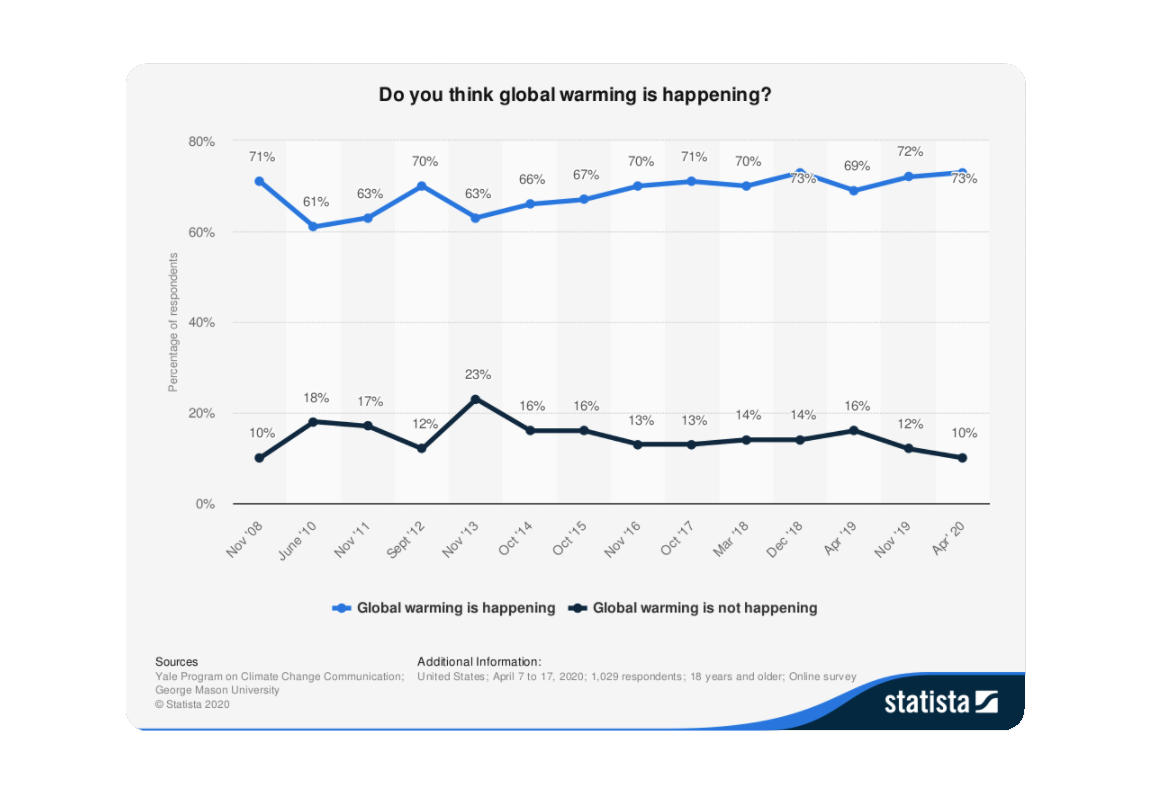
In the US, 73% of the population thinks that global warming is taking place and 70% support the idea of the transition to clean energy, but the average carbon footprint of a person in the US is 16 tons, one of the highest rates in the world. This app was developed to help more than 300 million people in the US get started to take climate action by committing to 10 green habits created by climate professionals and adapted by me to be easy, fun and intuitive to do.
Rol
Product Designer
Visual Designer
Prototyping
User Testing
Branding
Devices
Mobile
Desktop
Products
Mobile App
Landing page
Social media
Project content
The problem
The United States is the biggest carbon polluter in history with 8 billion metric tons of CO2 and has shown no major changes so far representing the largest contributor to global warming
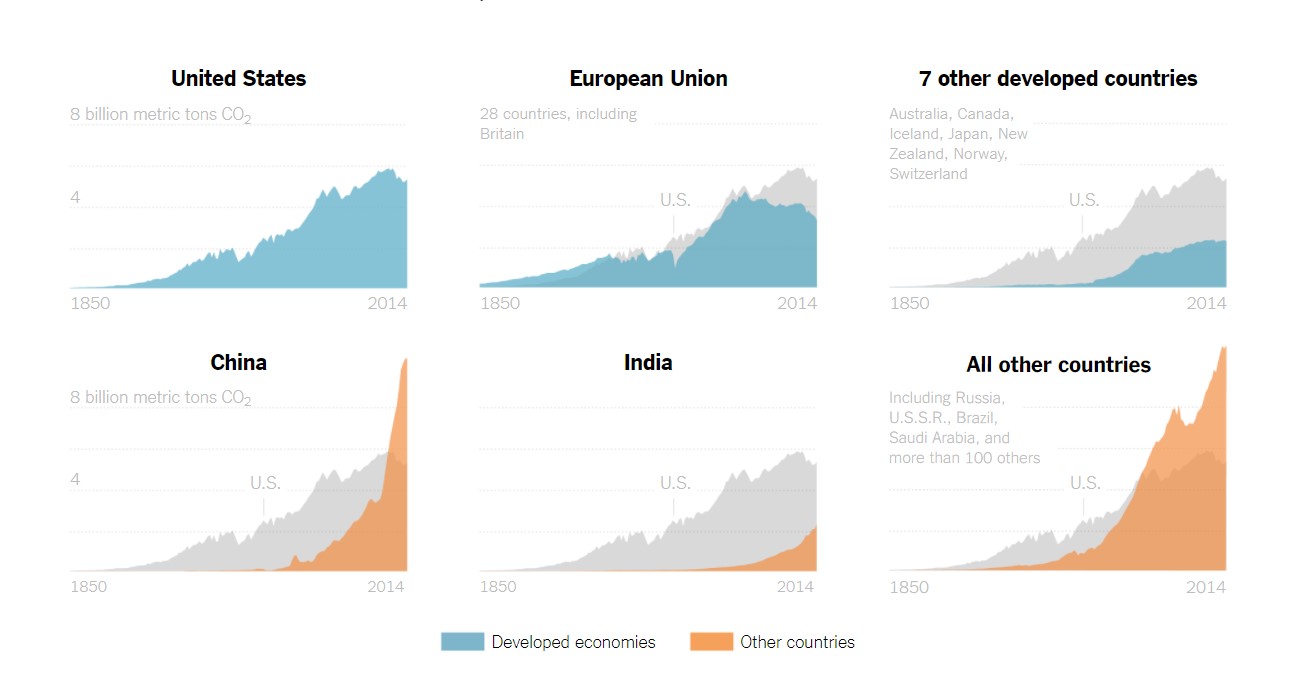
Source: The New York Times
The US Energy Information Administration says that common American activities, such as using electricity and driving a car, emit greenhouse gases (CO2) that keep heat in Earth’s atmosphere.
This heat can cause extremely high temperatures, harsh droughts and, among other things, even the melting of the polar ice caps, which results in rising sea levels and, therefore, catastrophic floods and the US is the biggest responsible for that.
REASON TO EXIST
Nowadays, It has been shown that 73% of the American population have reflected on global warming existence also believe that change is through individual and non-governmental action. this represents the desire to take climate action of 300M people
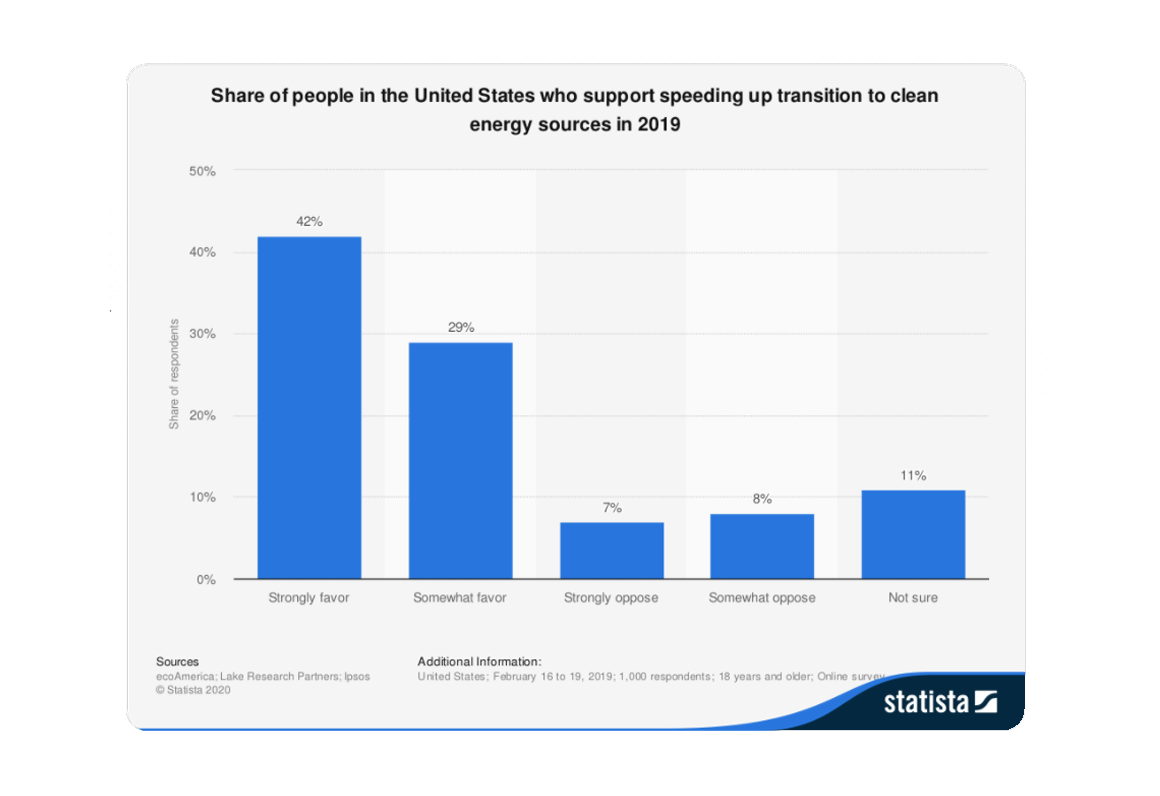
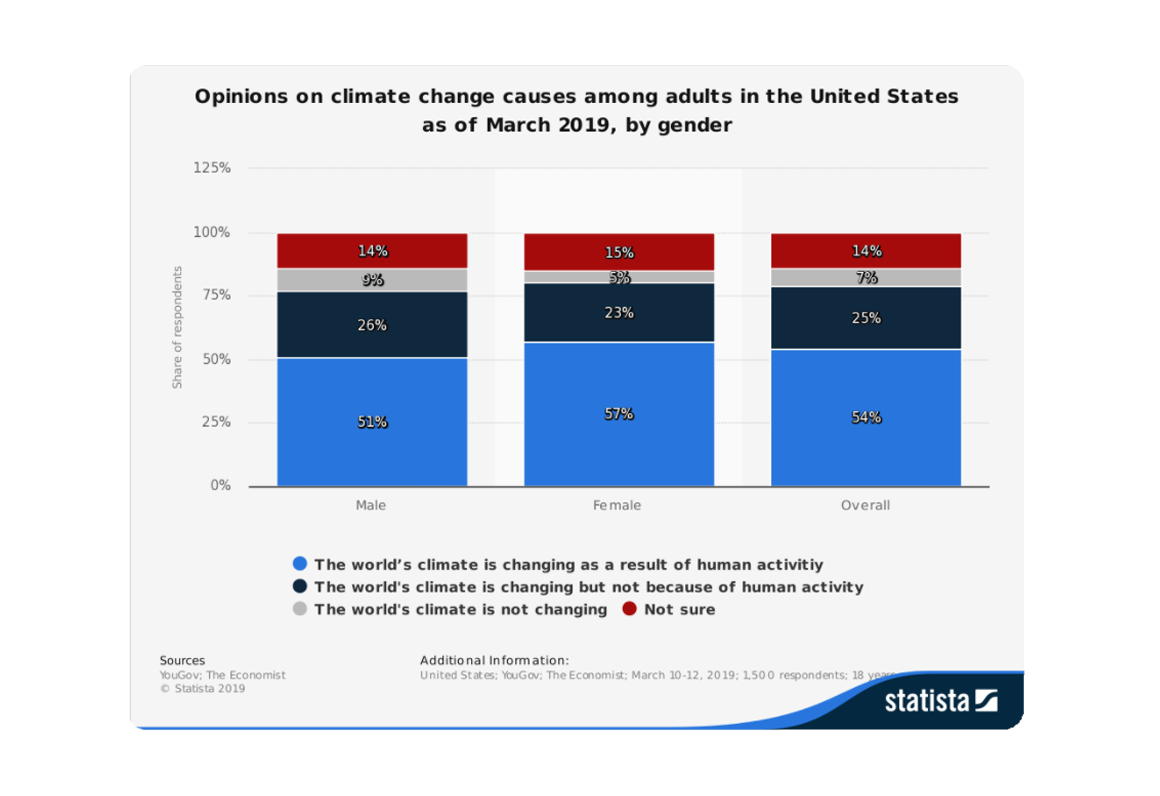
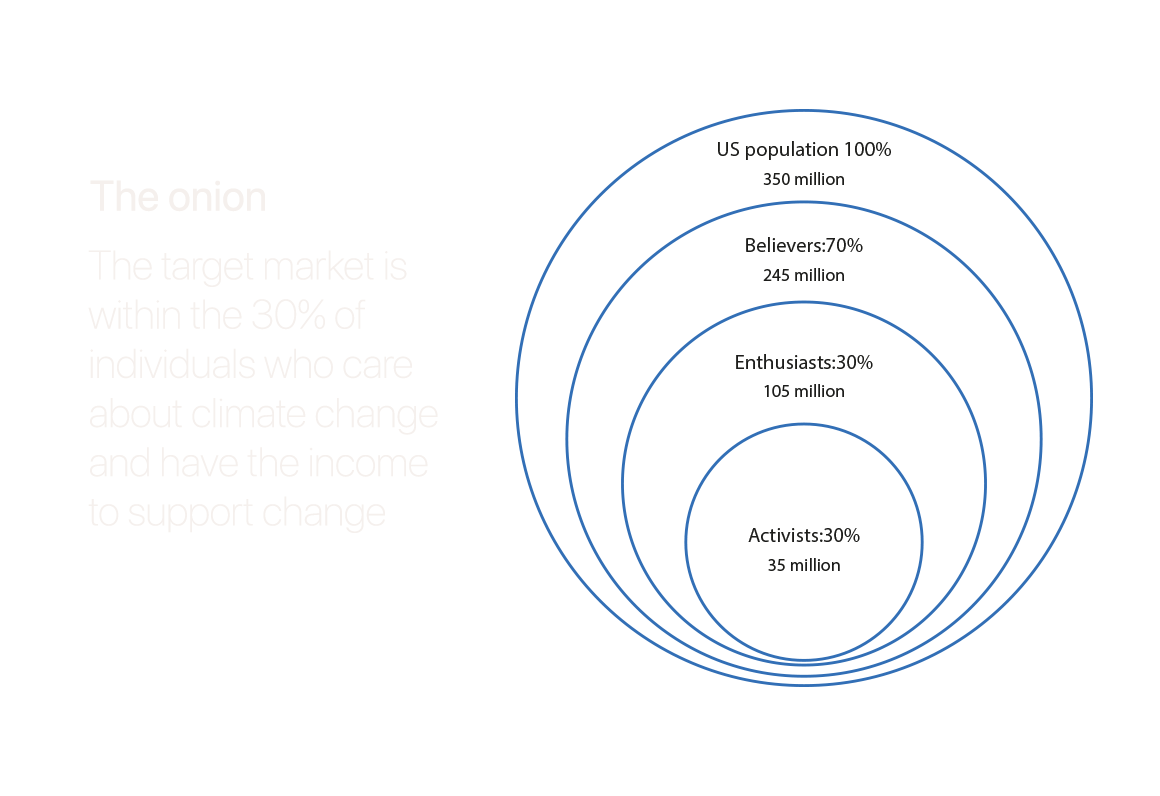
The deep desire of Americans to take individual climate action has made this product a reason to exist, this is a great opportunity to help a considerable number of people who can have a great positive impact on global warming. this product wants to be a useful tool to reduce their carbon footprint individually.
market query
In the App climate change market, the most common solution you can get is to track your footprint and mitigate it through offsets on climate-friendly projects and suggestions
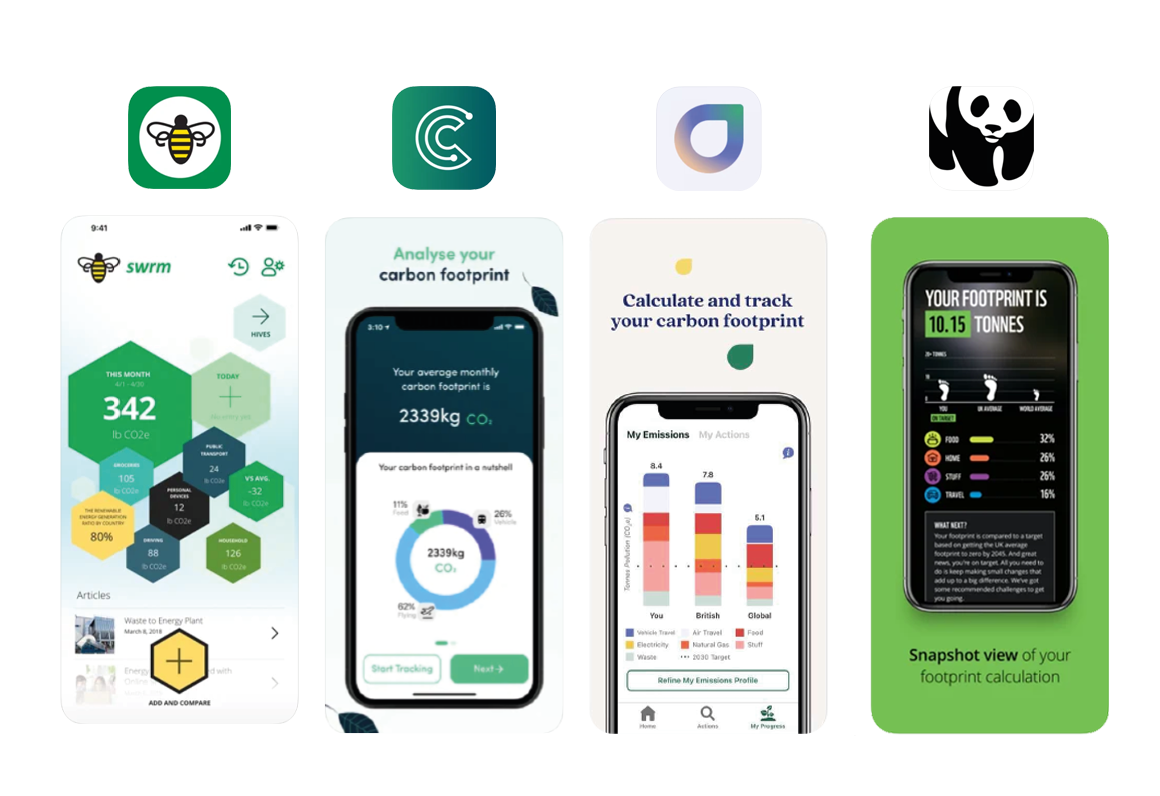
After some application market research, I found out that the most widely used tool you can get is a survey that helps you measure your carbon footprint, which from my point of view it doesn’t solve the problem totally because knowing your footprint helps you know your situation but doesn’t mean that you will reduce it, you need to take climate action to do a positive impact and more important you need to know-how.
How it works? App's values
The app offers to people who don’t know anything about climate change but wants to make a change a smooth, entertained and competitive way to start taking climate action in three simple steps:
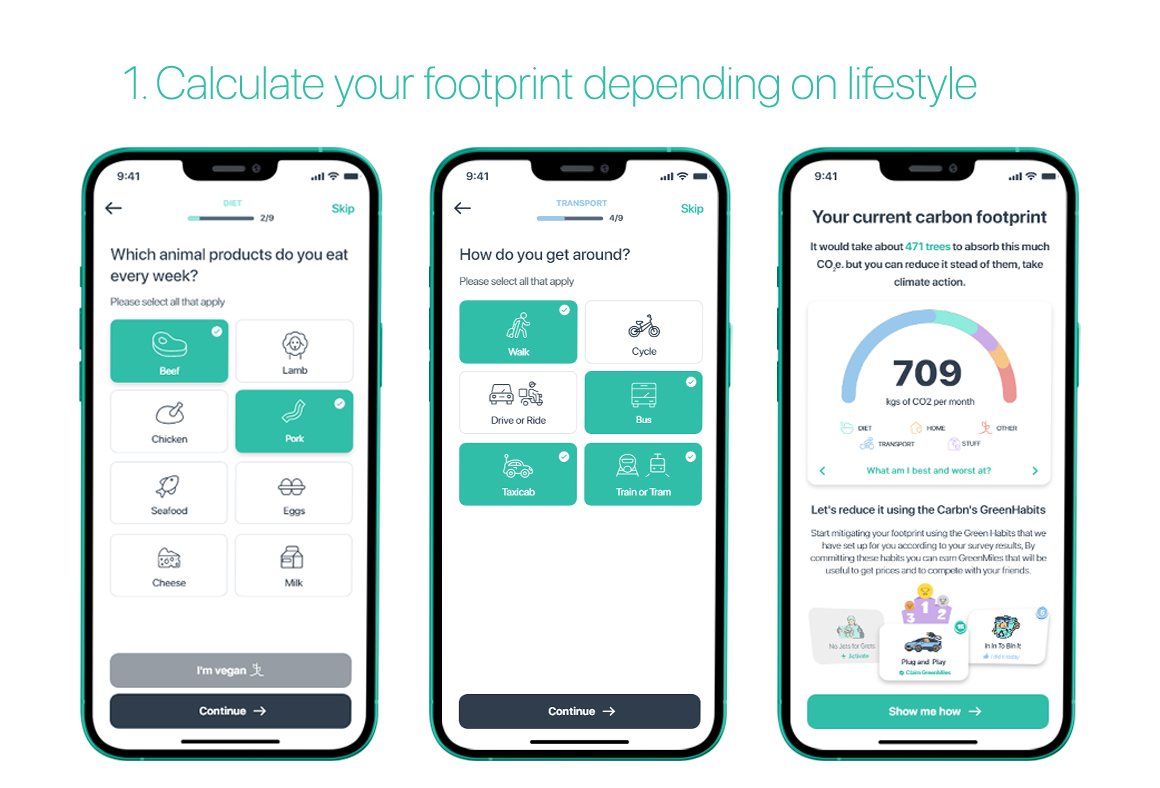
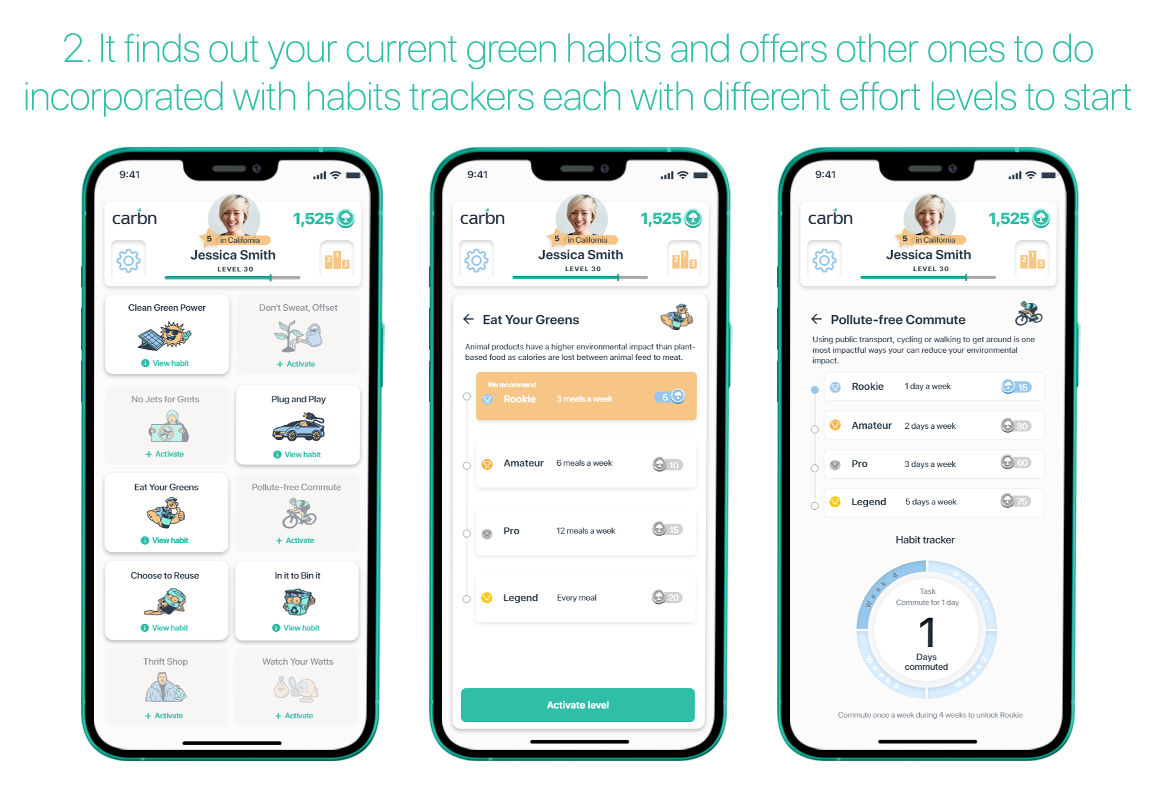
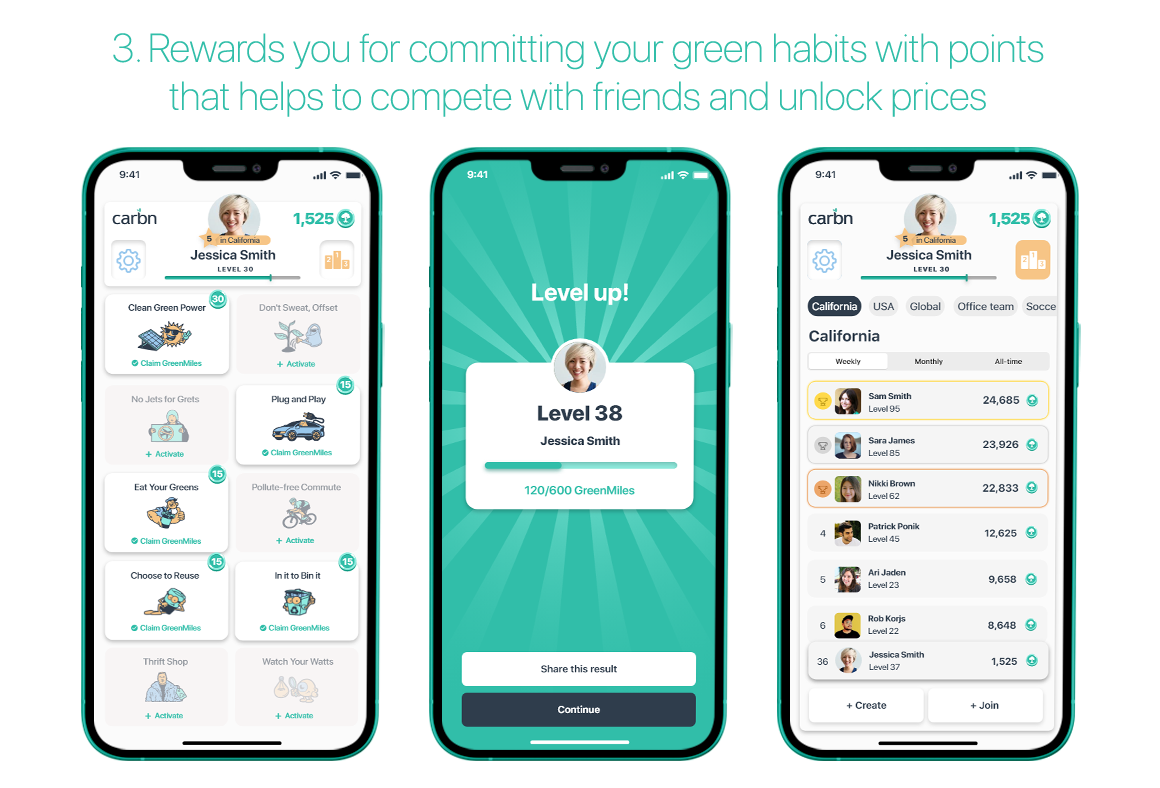

As I understand it, measuring the user’s carbon footprint was only part of the climate action solution because what positive climate change provides is green actions, but it’s not easy to start committing if you are new to this style of life.
So the value I worked on was how to introduce people to new habits, starting with making them clear, mentioning them so the user can spot them, then according to reach out a habit successfully the app gives you small commitments as a starter and then becomes more demanding, finally, you get rewarded for your effort with points which are useful to compete with friends around the world.
10 green habits
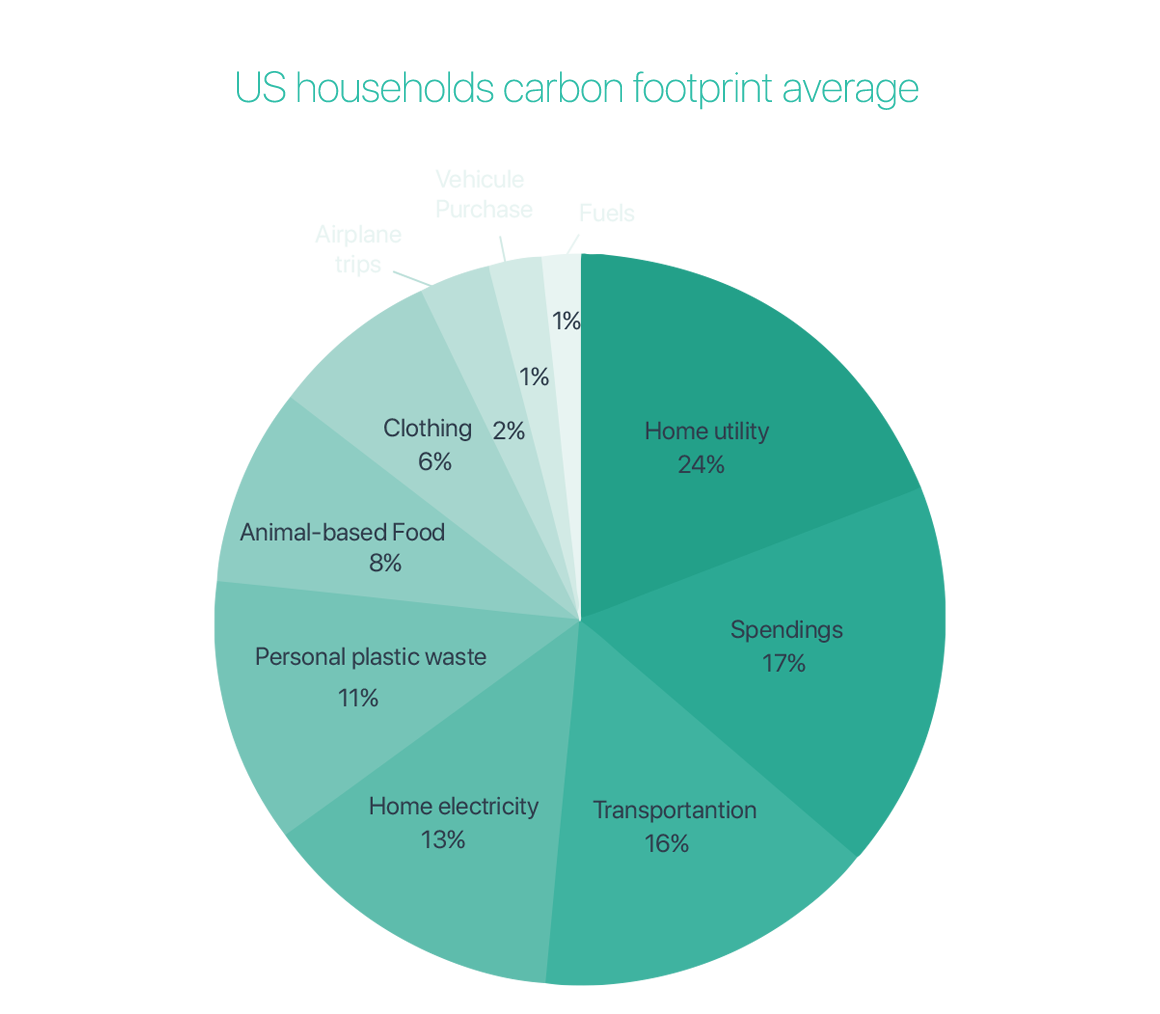
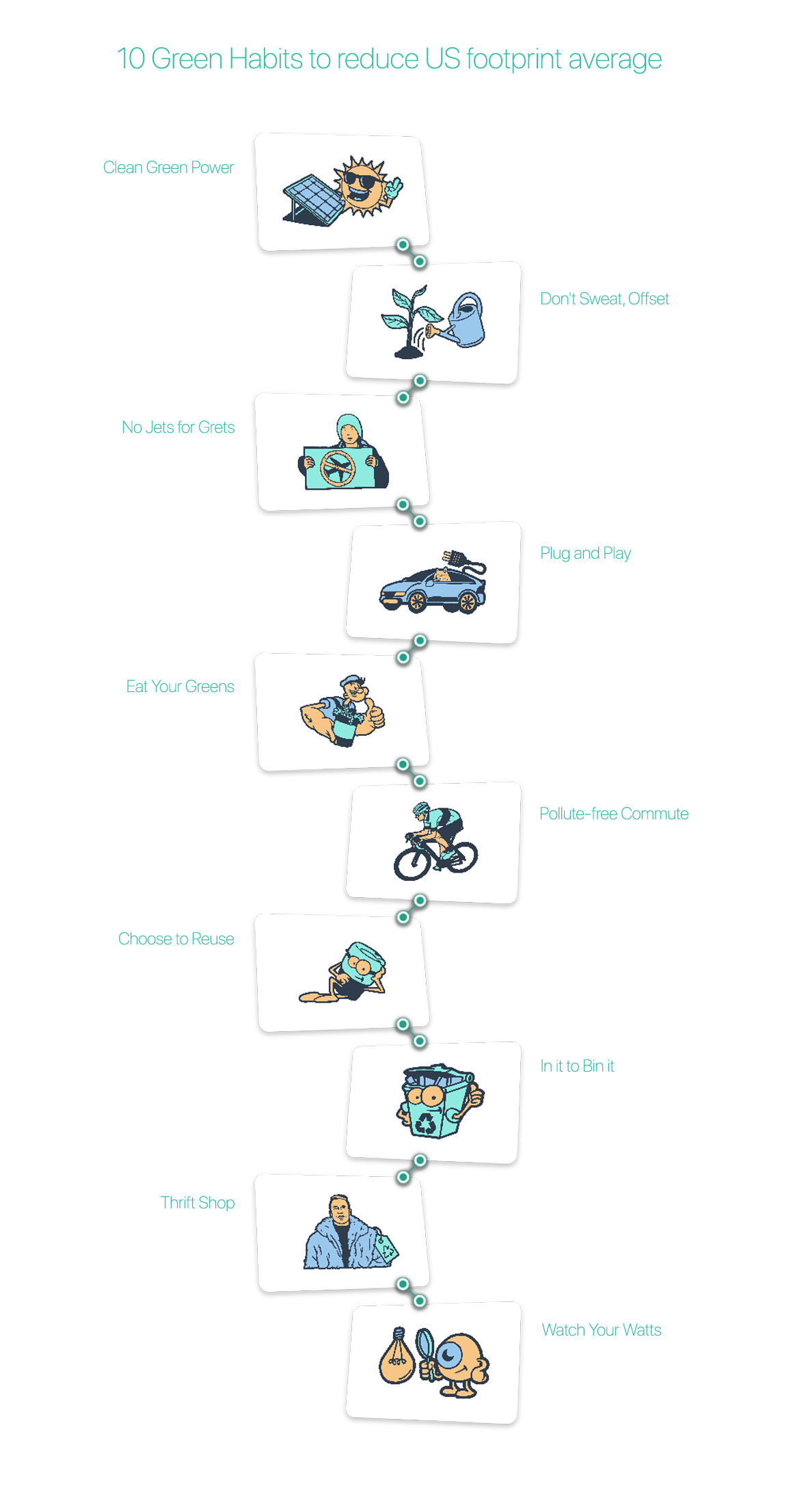
We equipped the app with the 10 most useful habits a user can adopt to achieve the biggest positive impact of climate change based on research we conducted with a group of climate experts on the average footprint breakdown of the US households
Source: 8Billitiontress
Source: PBS
Source: Univerisity of Michigan
The team contacted a group of climate professionals to find out what are the most common activities of American homes are emitting a considerable amount of carbon dioxide and according to their declarations, the principal activities are food, housing, transportation, apparel and other personal services based on the typical American’s annual per capita carbon footprint.
Knowing the activities that are causing the highest CO2 emissions helped me provide users with habits that will directly address their carbon footprint.
Greenmiles
We created the Green Miles because of the lack of people’s understanding on footprint, for the users were easier and attractive to reduce their footprint earning points, they preferred an easy game more than notice a complex chart going down because they just wanted to play a game on their free time, It didn’t matter if they were saving the world in real life…
The GreenMiles was a team’s creation due to a lack of understanding of the carbon footprint numbers from the users, they considered this meterage difficult to understand.
therefore we used a simple concept to track the progress of their commitments using GreenMiles (points), if the user wanted to earn more GreenMiles they had to start to adopt new green habits by activating them.
Use of gamification
Gamification brought a fun experience and an easy perspective to a serious situation, this was the most important technique used in the app because it showed the users their progress and kept them motivated
This very well know technique helped me a lot to add value to the app because it drove the user’s climate change motivations by showing the users their progress and rewarding them for it.
Gamification brought climate change to a new way of looking at it, It helped me to define the user’s journey on the climate change action, my goal with this technique was to make the users feel that they were progressing and all the commitments they have done had shown results.
Leaderboards
Climate change action doesn’t have to be a lonely journey, I implemented leaderboards to encourage users to commit the green habits through the competition, they tried harder to beat other users earning GreenMiles but in the end, the earth was the real winner…

I decided to implement the leaderboard interfaces on the app to foment the app use, with the leaderboard extended the app’s lifetime because once the users have finished with their habits commitments they can return to check their friend’s progress and compete.
What makes this app different?
Tragedy is a widely used concept for climate change that only makes users feel guilty to be part of it. On the app I created a friendly and fun environment for users to make them feel is not too late and they are in time to rescue climate

Show the user what they have done in the environment was the wrong way to call their attention, the users didn’t want to be blamed for their actions, they know what they have done already, they just wanted to change and that is what I wanted to do with the app.
In the app, users are rewarded for their actions and not blamed, the content and UI patterns were placed so that users have fun and focus on the game, not on the climate tragedy.
Voice tone & Graphic style
The app’s copies are happy and jovial, they help the user to get an easy way to talk about green habits and illustrations to make them easy to interpret, the goal of this identity was to make climate change easy to explain to everyone
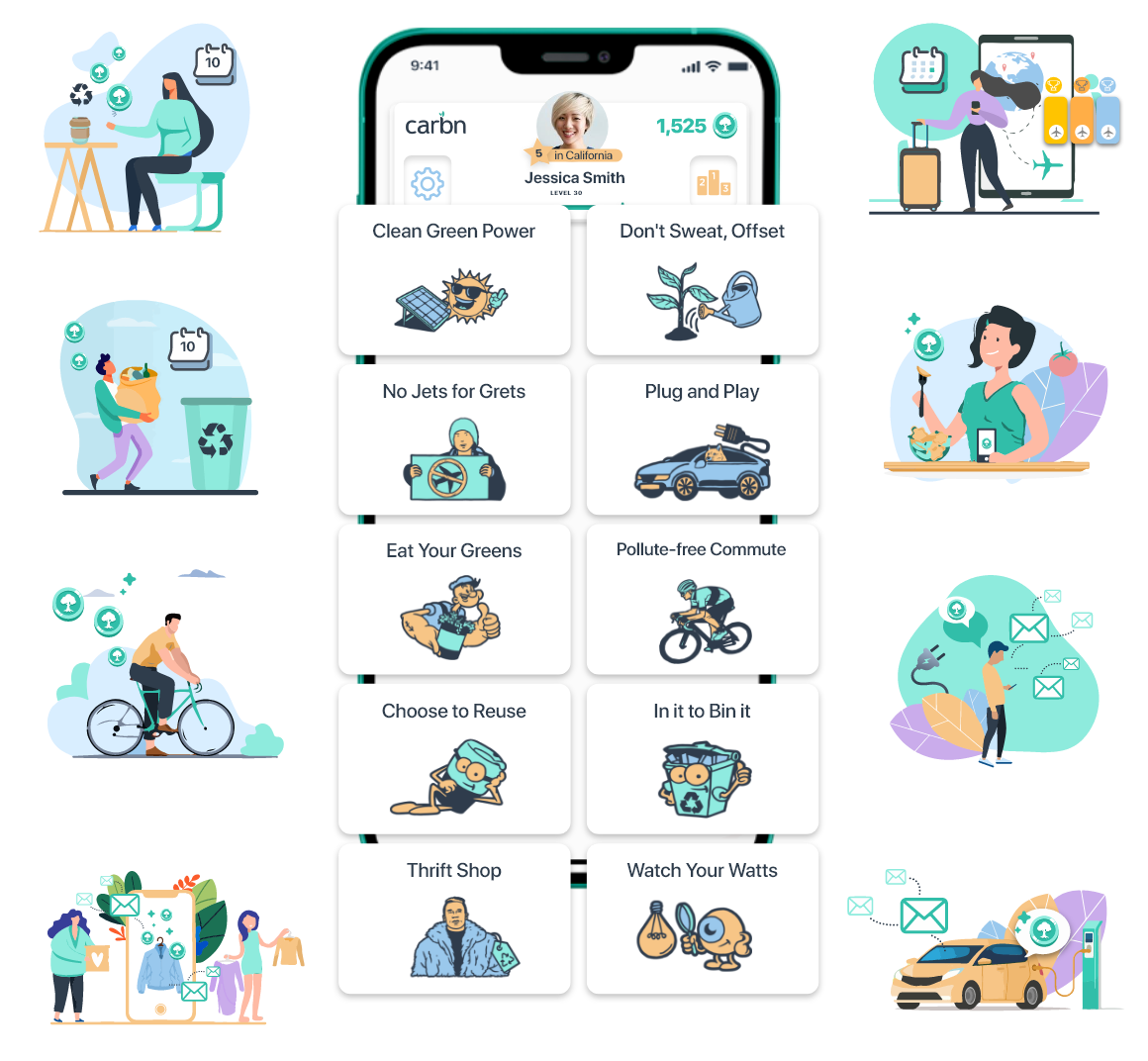
Using illustrations helped me to describe the green habits easily to the users because they were able to relate the illustrations with the habits dynamics and how they could earn the greenmails.
The illustrations were a way of making the reality of climate change less dramatic.
panini effect
I used the panini effect on the app to help the users to identify the green habits available and the activated ones, this kept the users motivated to start Green Habits to complete their screens and to compete with their friends
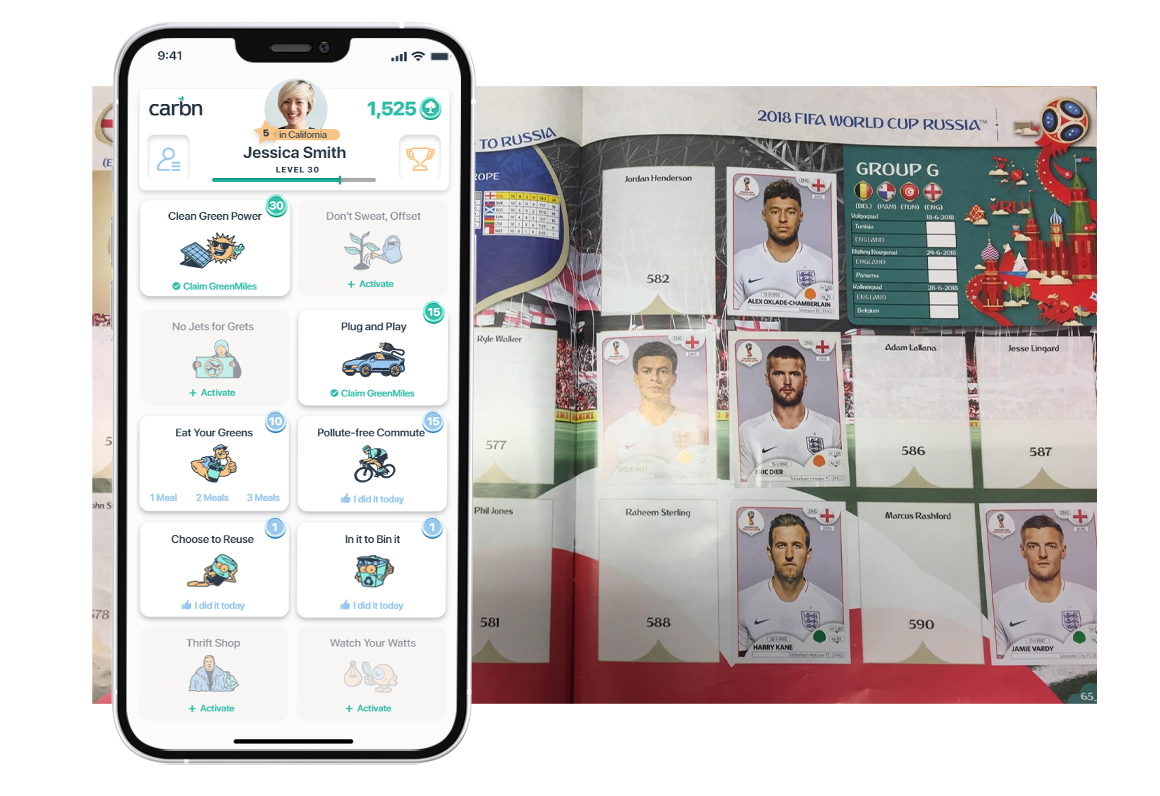
The panini effect is an old technique implemented in the FIFA world cup sticker albums to encourage competition with friends and with yourself by collecting stickers. This effect was a significant improvement to the brand because this effect helped to promote the leaderboards competition and the self-competition and to continue doing the green habits commitments.
TASK FLOW
This graph made me put all the functions and values together. It functioned as a control panel for the team where we could all agree on the app the values and interfaces
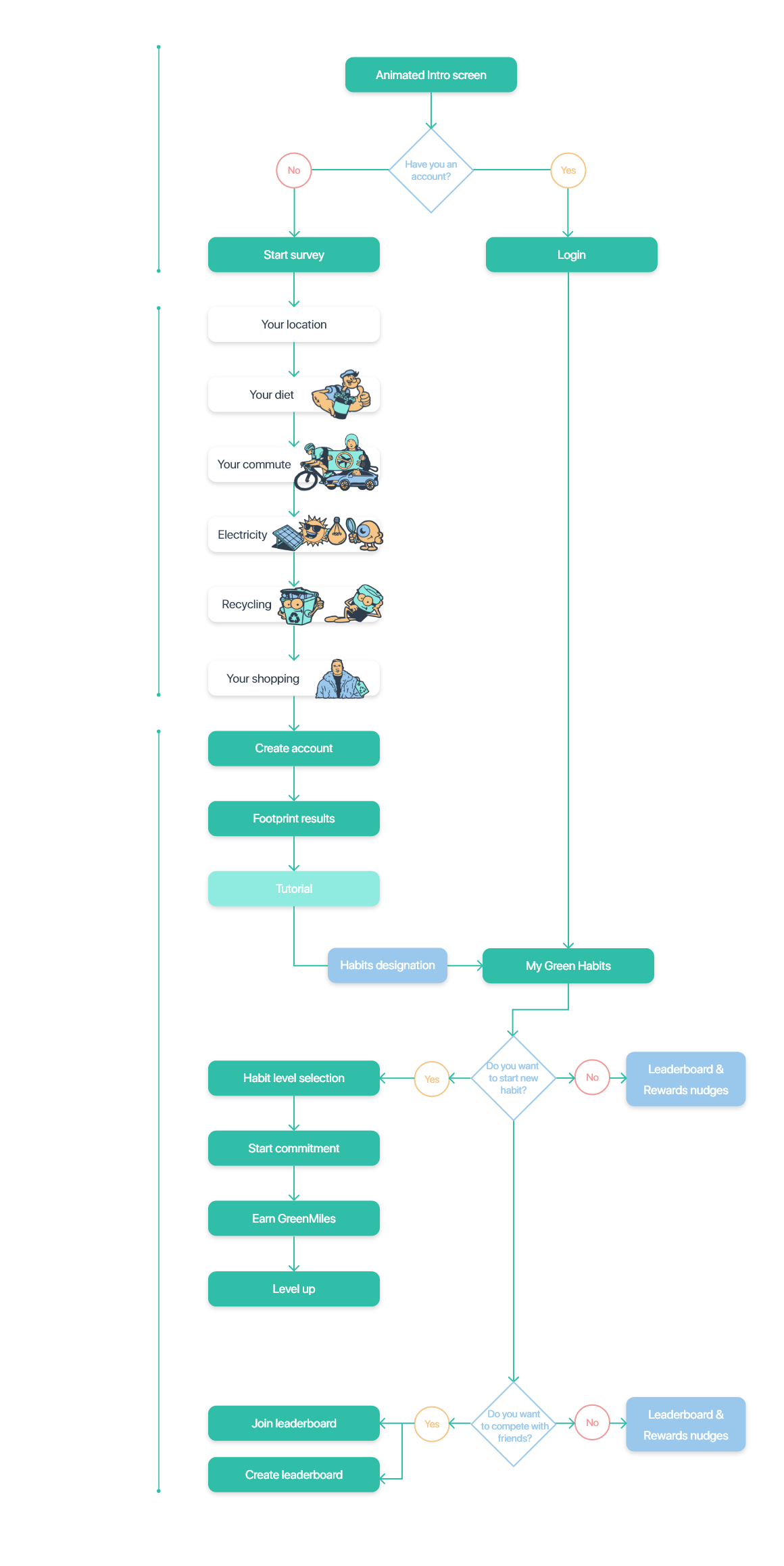
The team and I at the beginning of the project used task flows to make sense of our ideas and to place them in order what made them easy to understand for the users.
usability testing
My main goals on these tests were to try the app’s features out whether the users were able to start a habit, create a leaderboard and track their footprint rather they could commit the habits
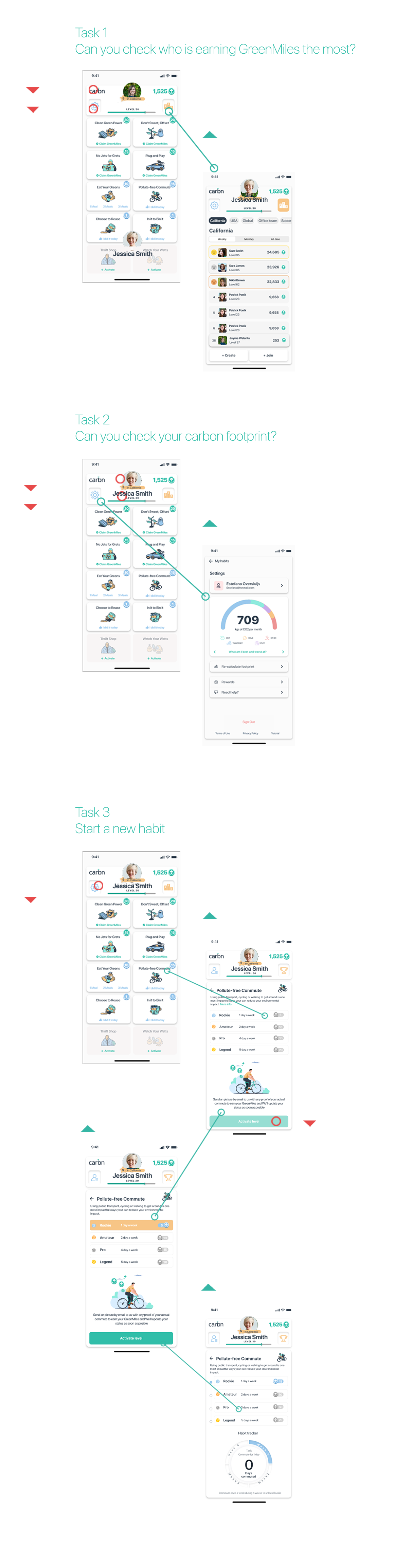
About 10 American users participated in the evaluation of this product, the team and I tried to represent the traditional American family in our users for the tasks to see if they understood the habits and dynamics of the app.
The metrics I used for the tasks were quantitative to test if our app value cycle was working.
branding
My top priority in the app identity was to show that the app was a trusted source of climate change information and to promote the values of the app using the keywords of the main features
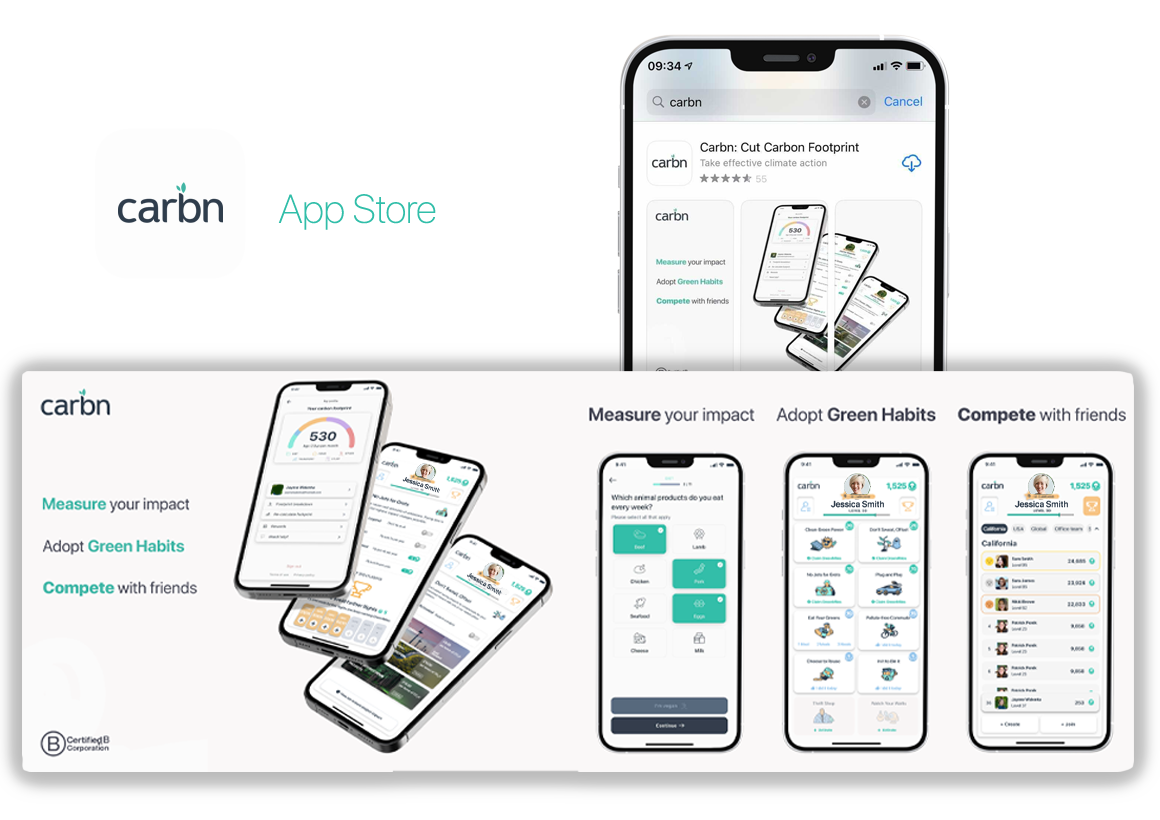
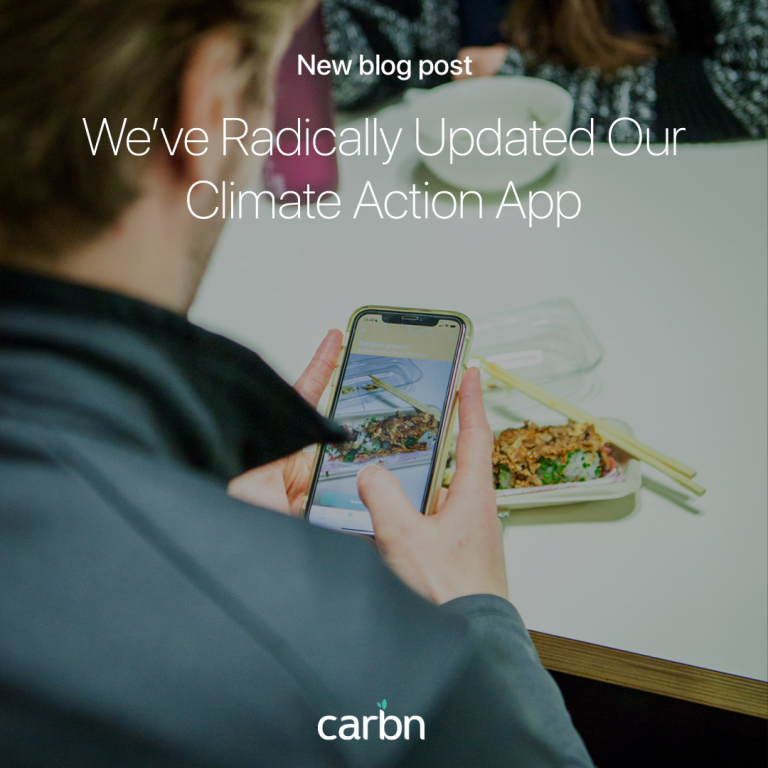
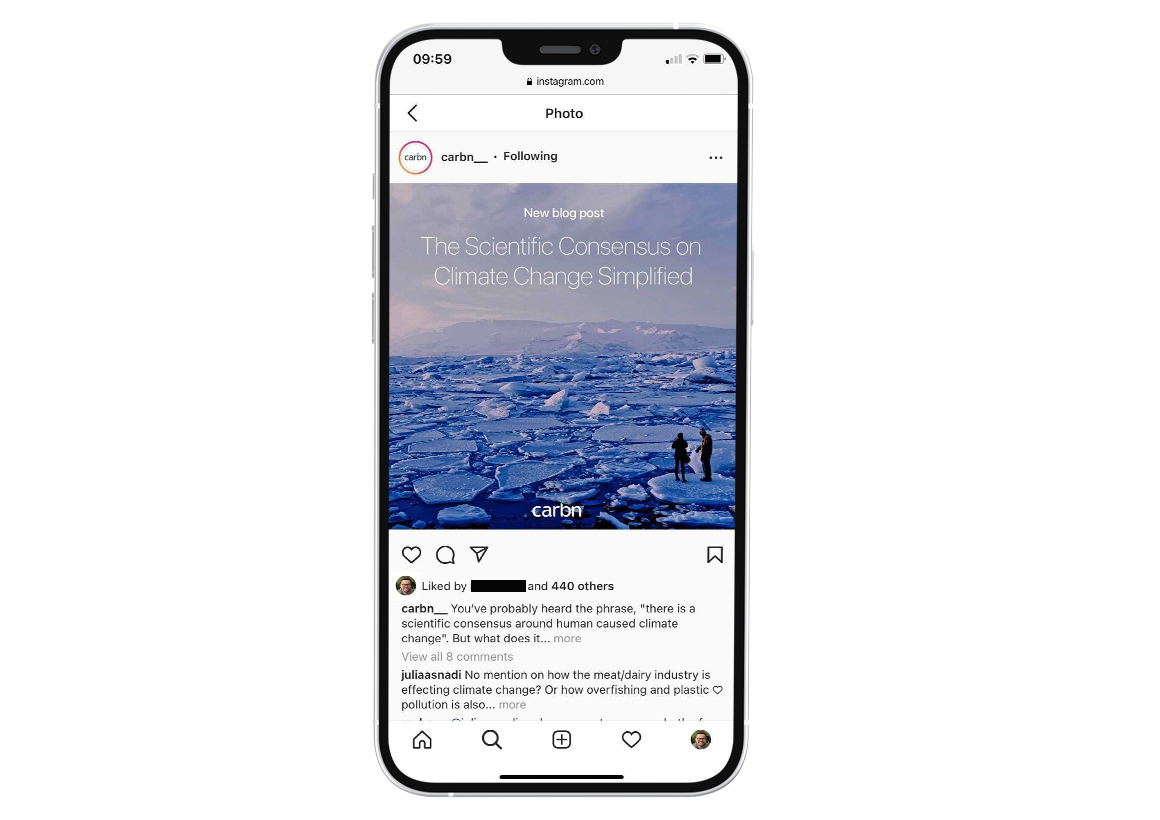
Blog posts template
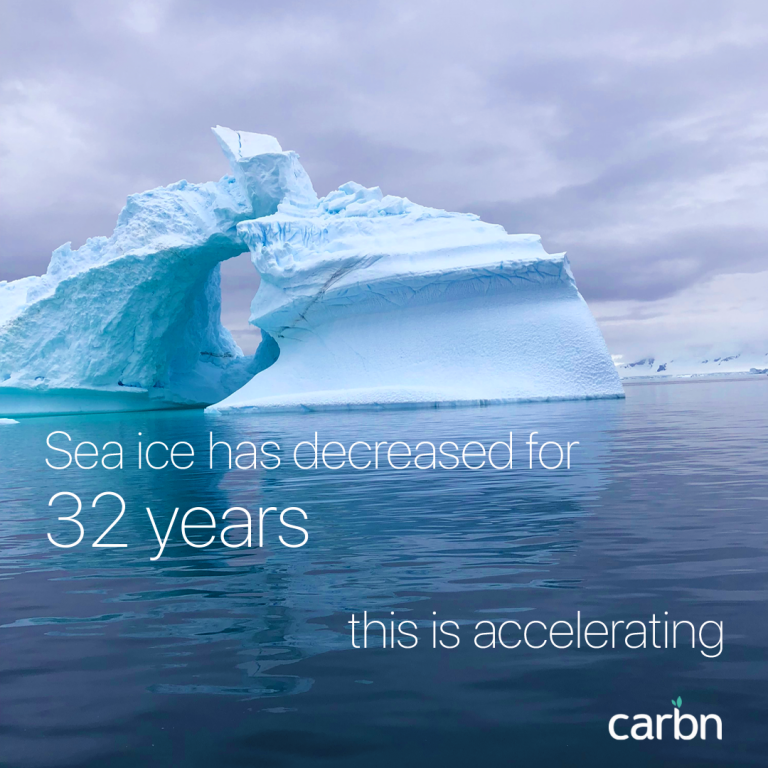
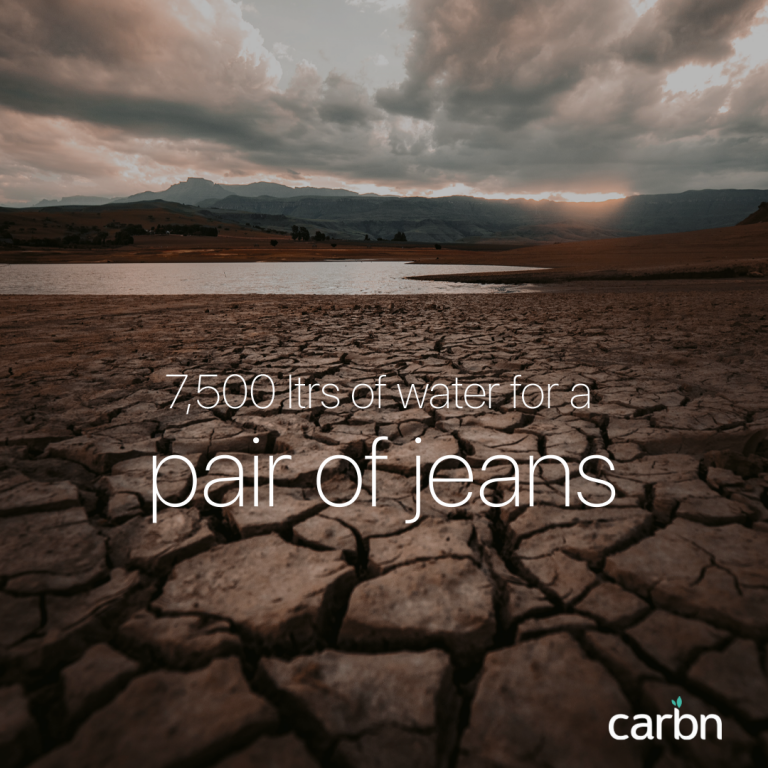
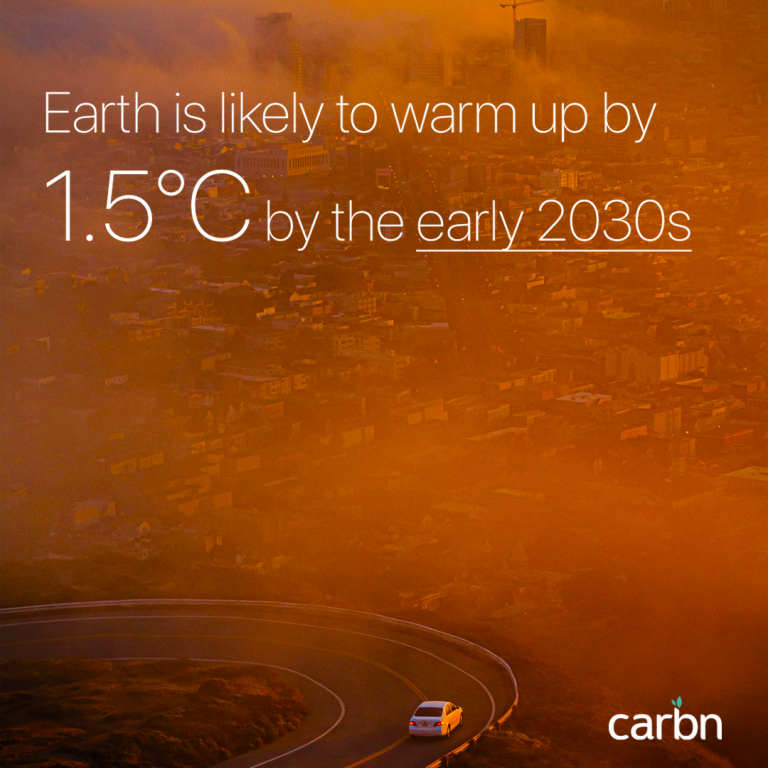
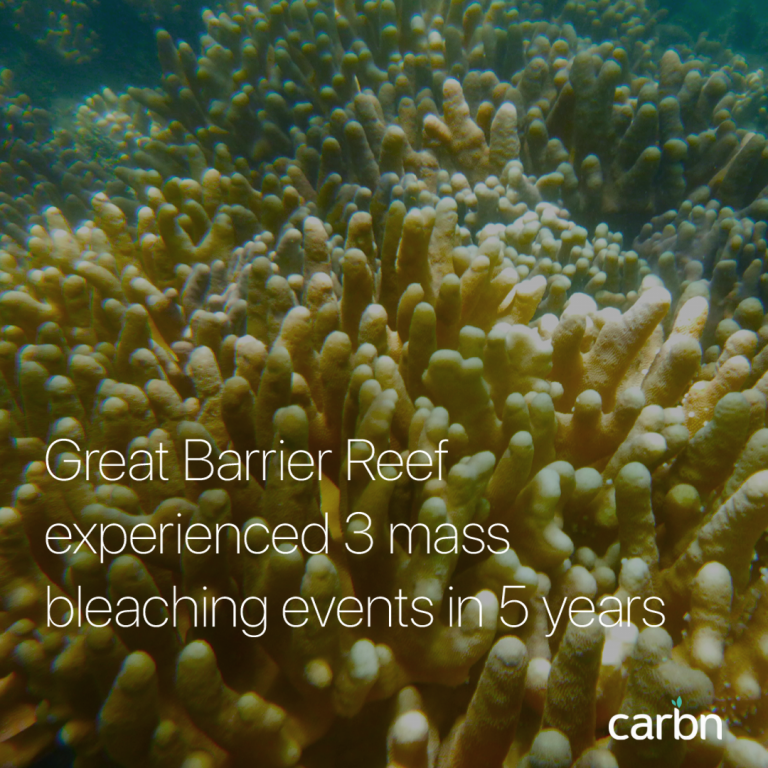
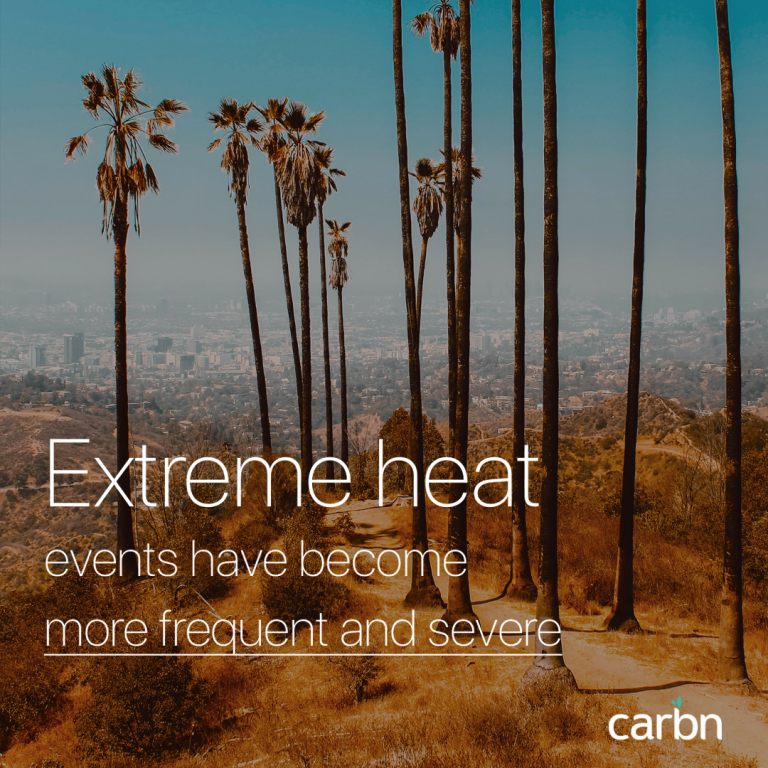
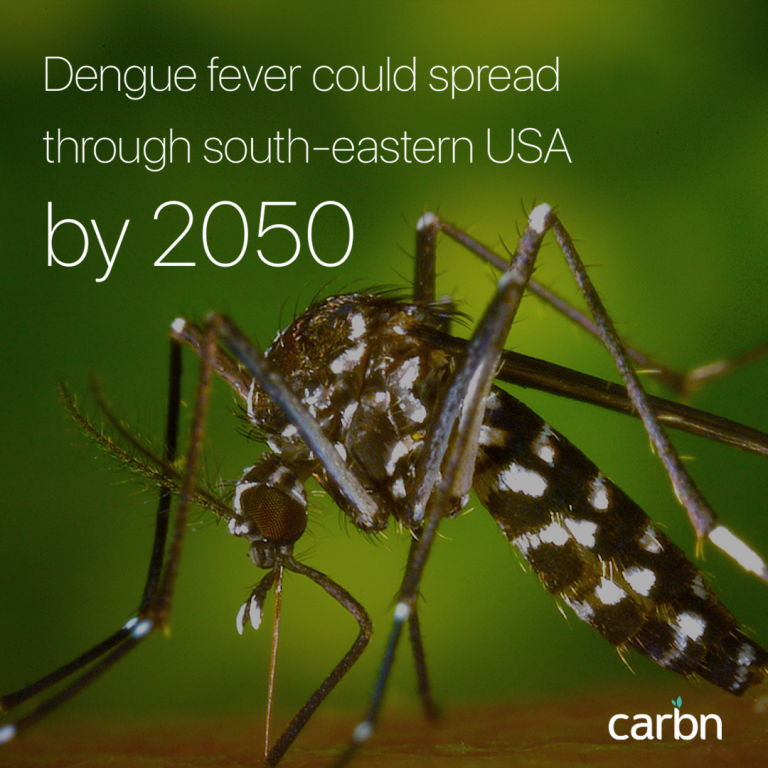
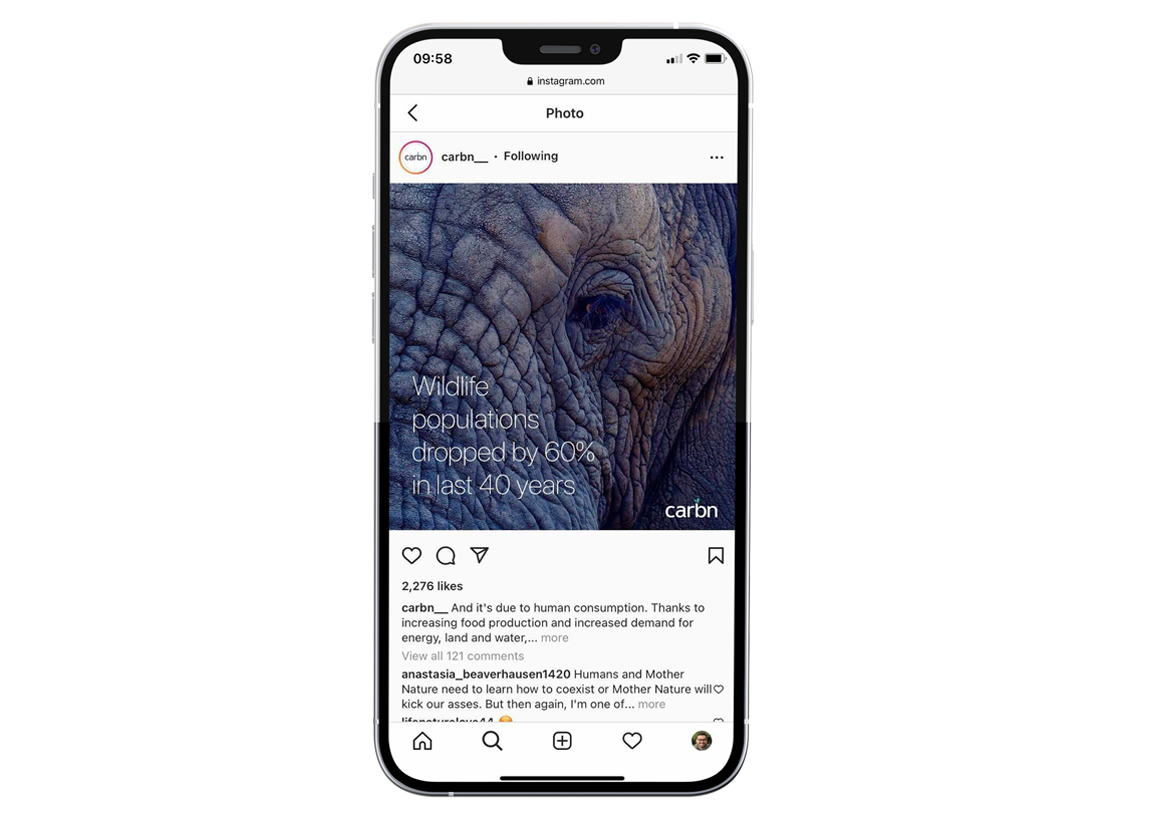
Shocking facts style
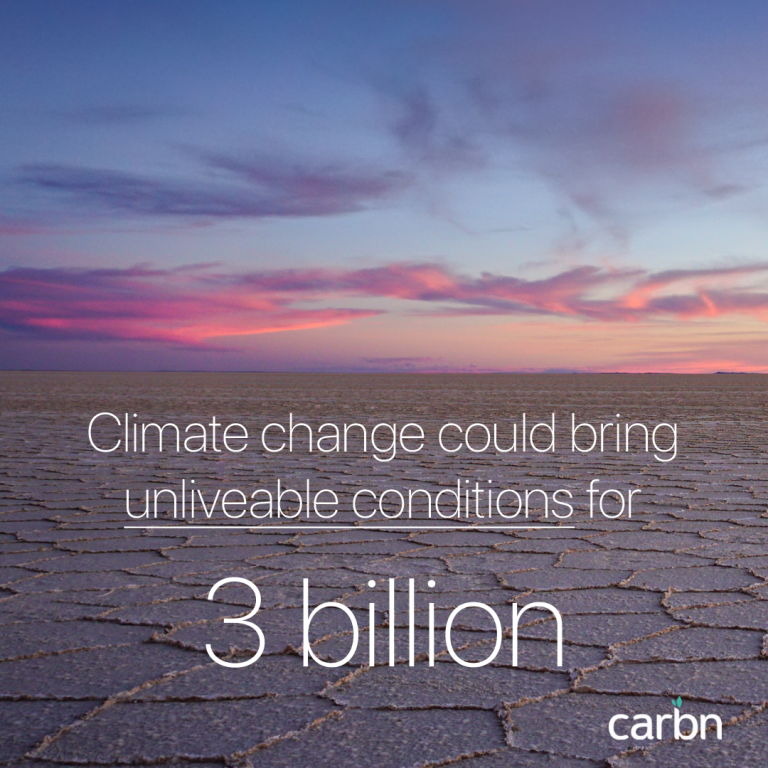
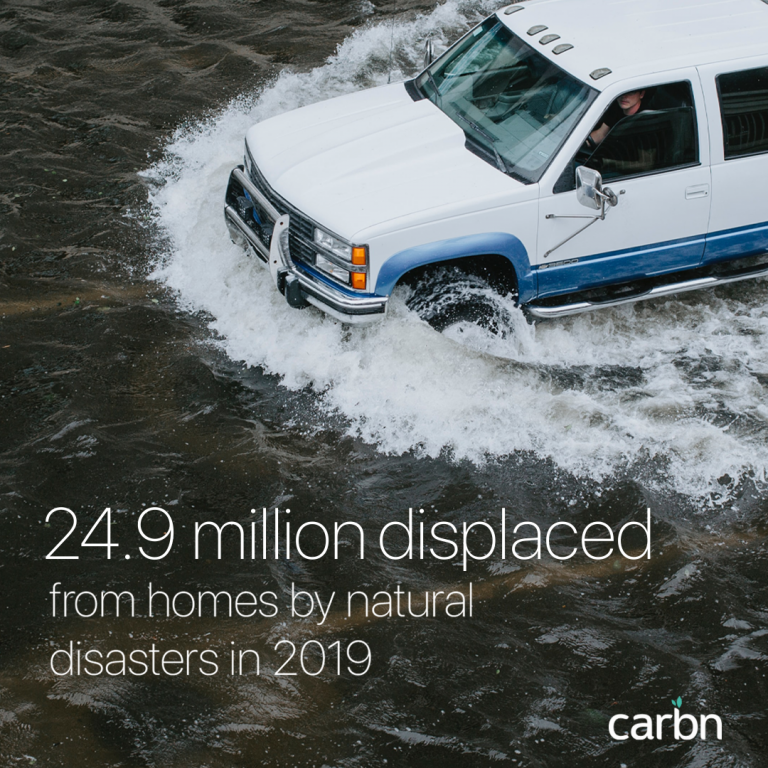
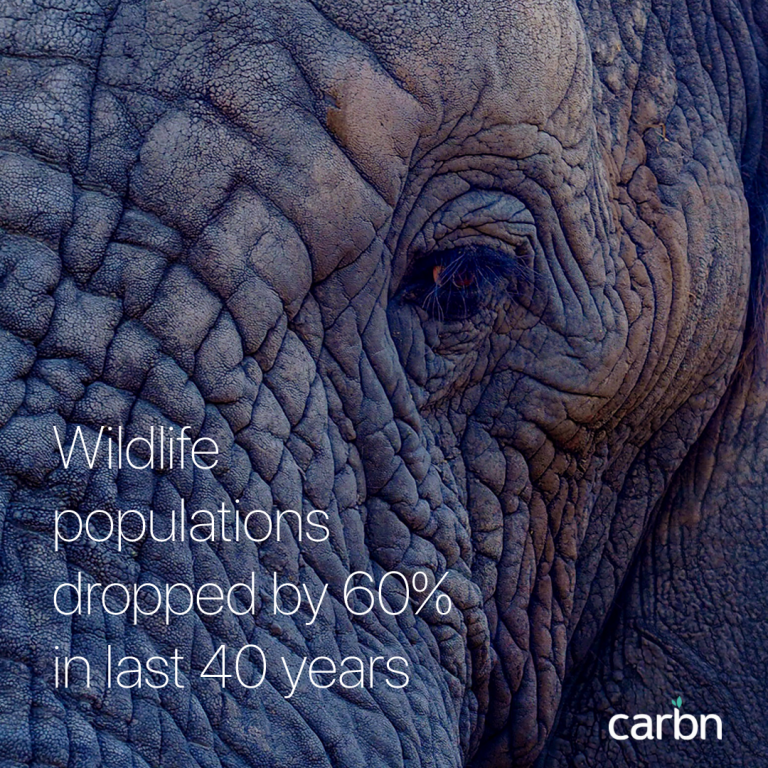
Hopeful messages
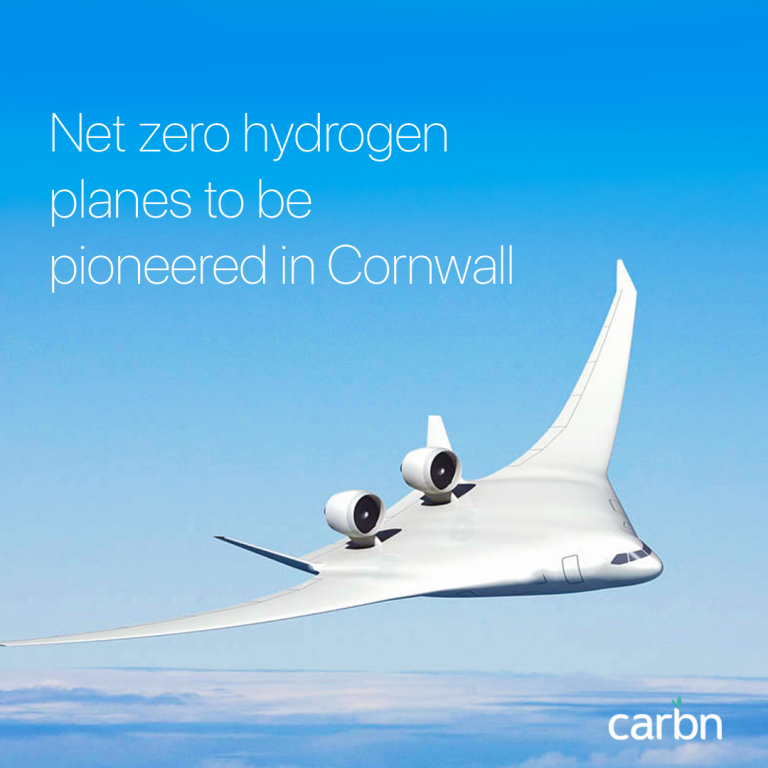

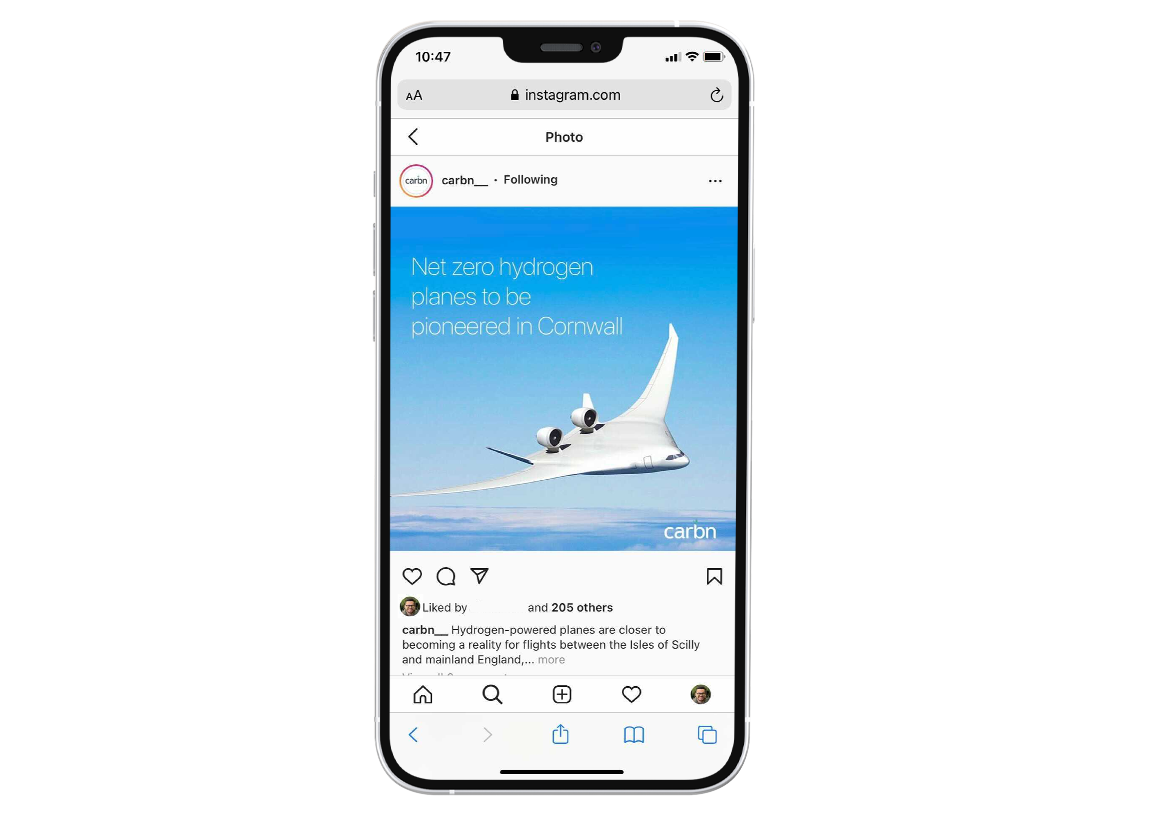
Book recommendations
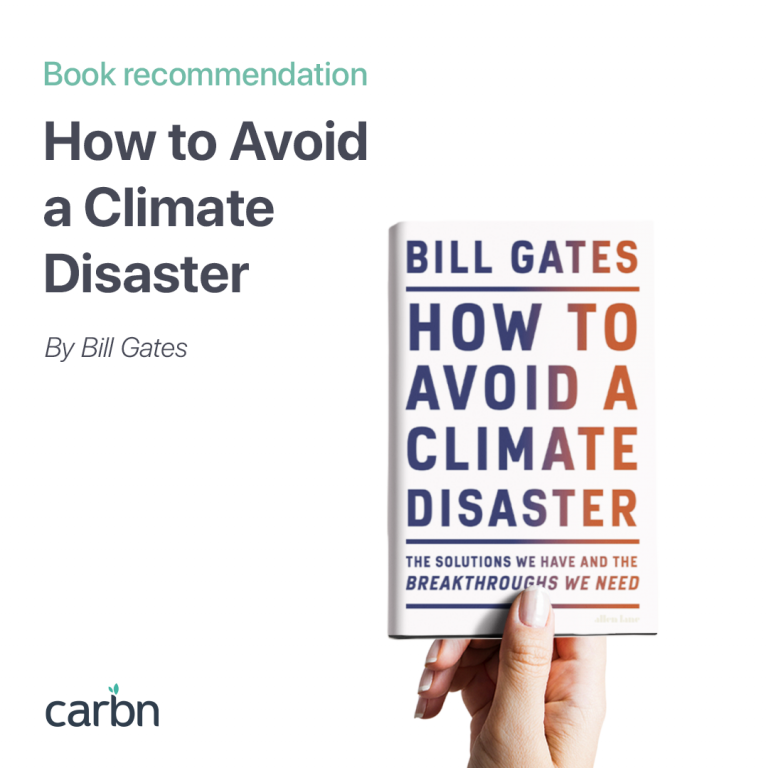
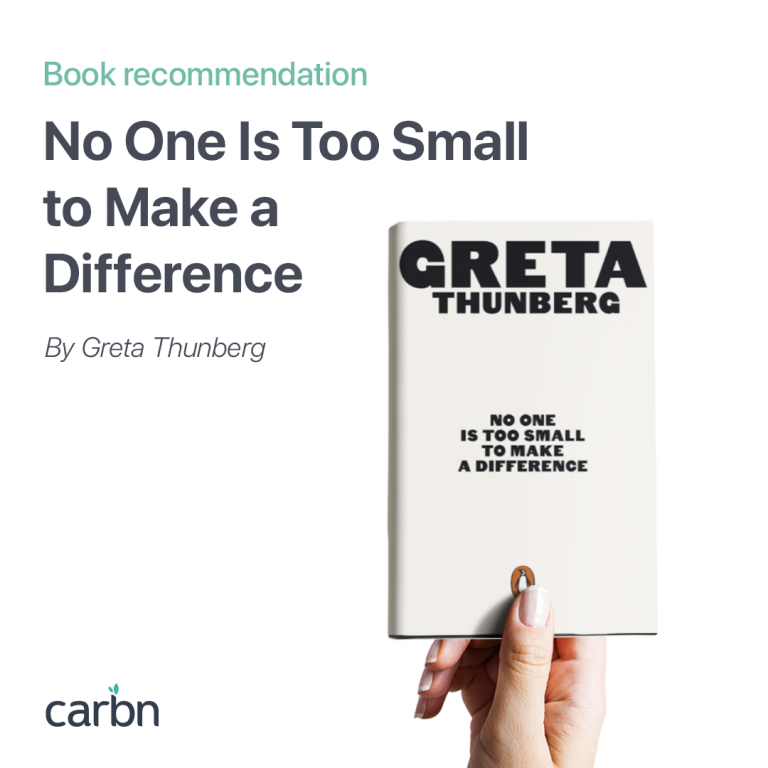
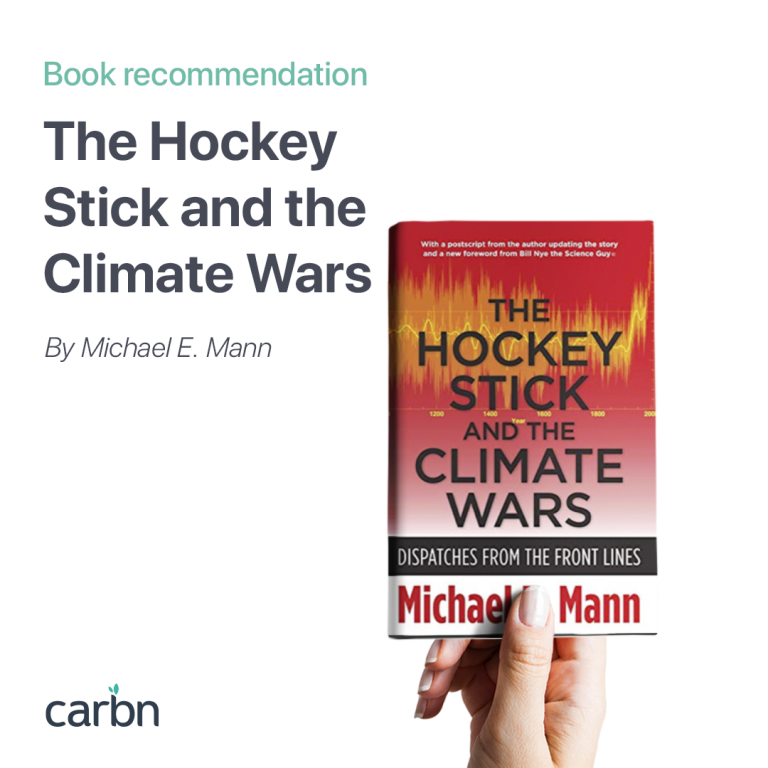
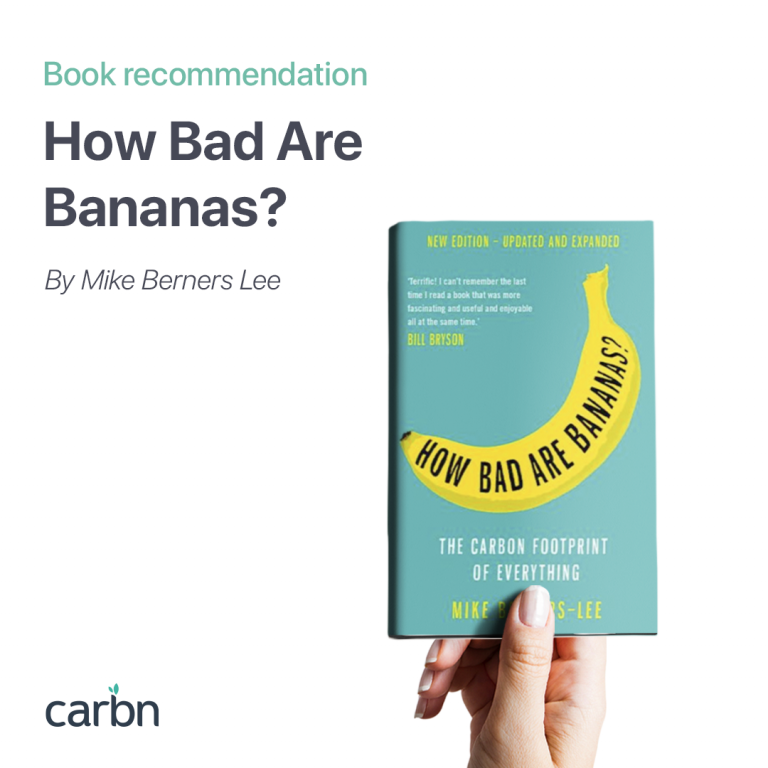
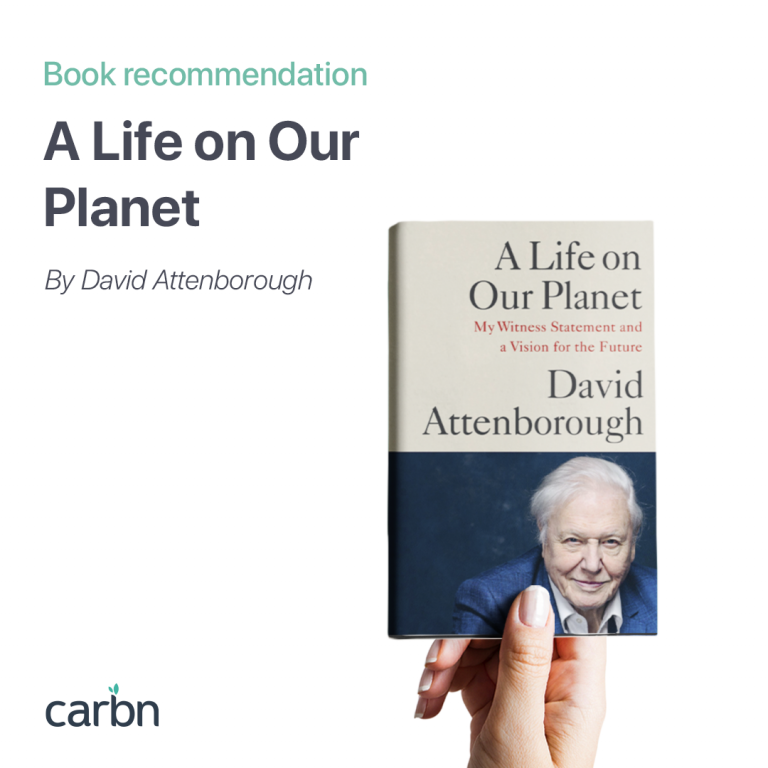
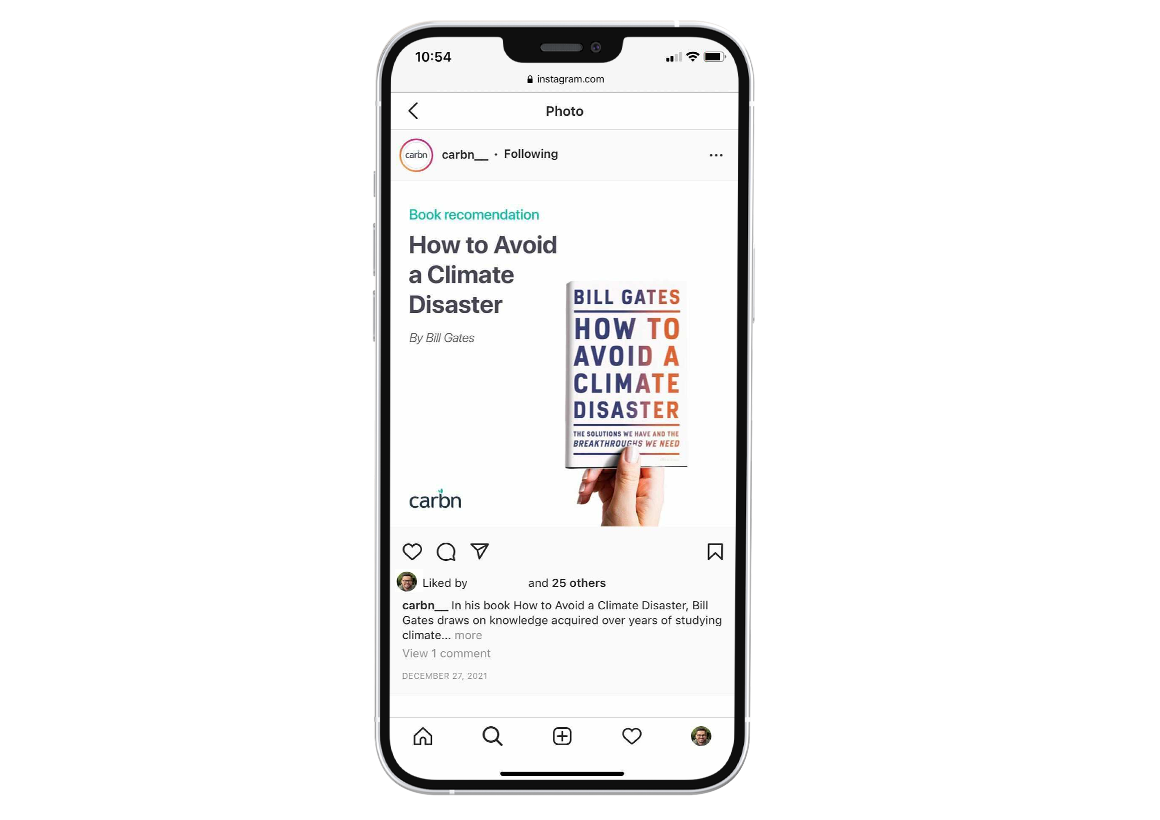
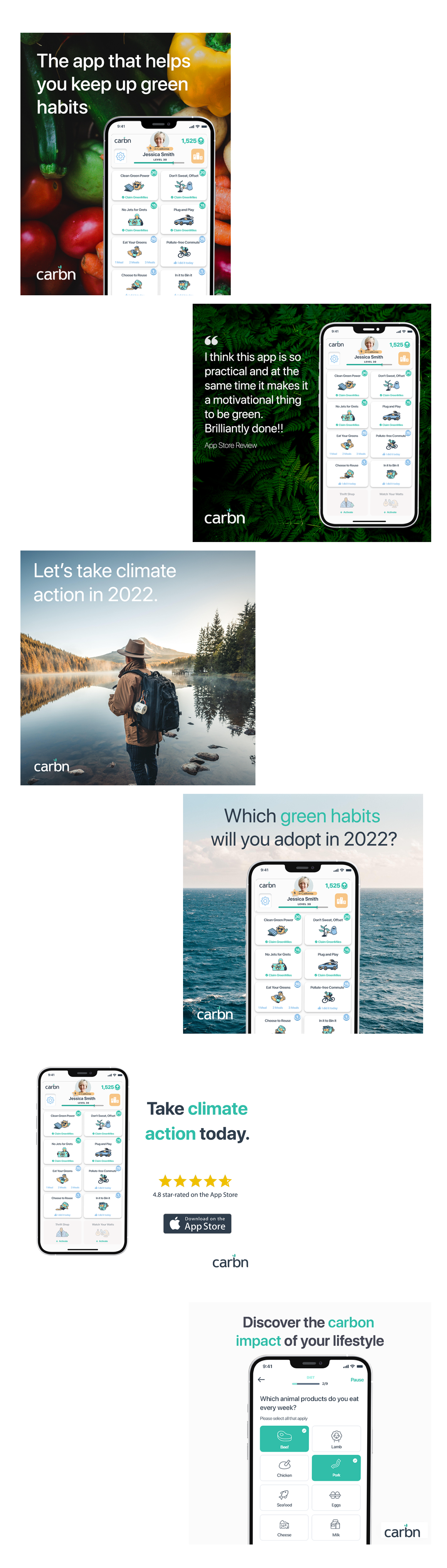
I used my graphic design skills to make online Ads and social media content to encourage the use of the app, but the team and I decided that the most useful value for the brand was to be a credible source of information in a long period, the jovial and fun content will belong to the app and the significant information to the public.
Official website
For the website design, I used a scroll-down animation to explain to users how the green habits journey work on the app and a brief explanation of the main app interfaces to encourage them to play
The app has a few paragraphs to make the website easy to read and make users focus on the features of the app, how green habits work, and how to play. As an additional on out attempt to be a source of information, I got inspired by the iPhone website scroll-down effects, because I wanted users to focus on content and not web interactions.
Estimated impact of the PRODUCT
The product has shown significant efficacy in helping to reduce an average of 718 CO2e from three thousand users overall in the last 12 months, which meant 1.5 million trees available to work on the emissions of fresh air efficiently
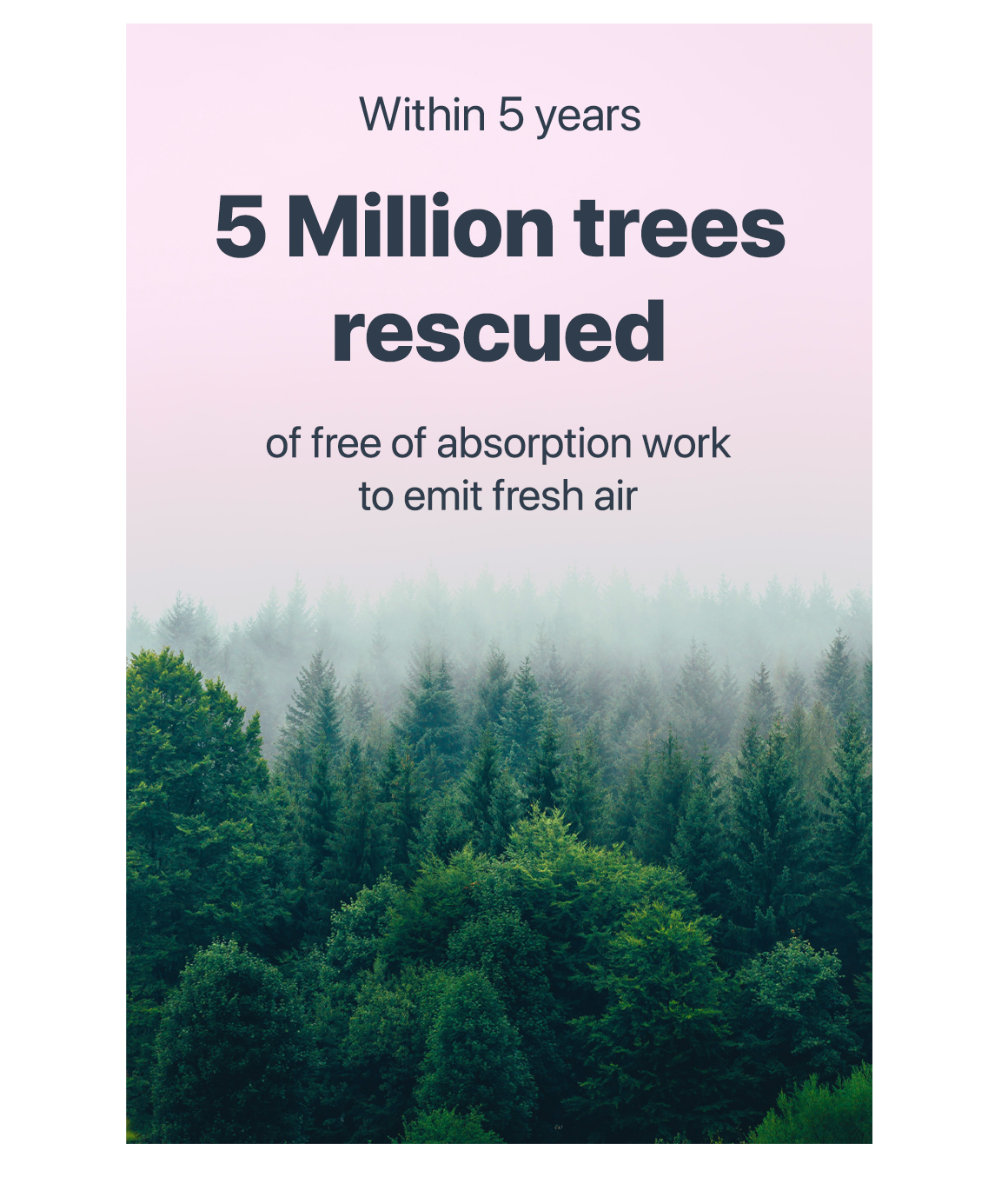
Based on our 70% user retention and our user’s footprint average, the team forecasts rescuing around 5 million trees within 5 years, which has a significant positive impact on the carbon emissions of US homes, showing the value and effectiveness of the application in the market and climate change lifestyle.